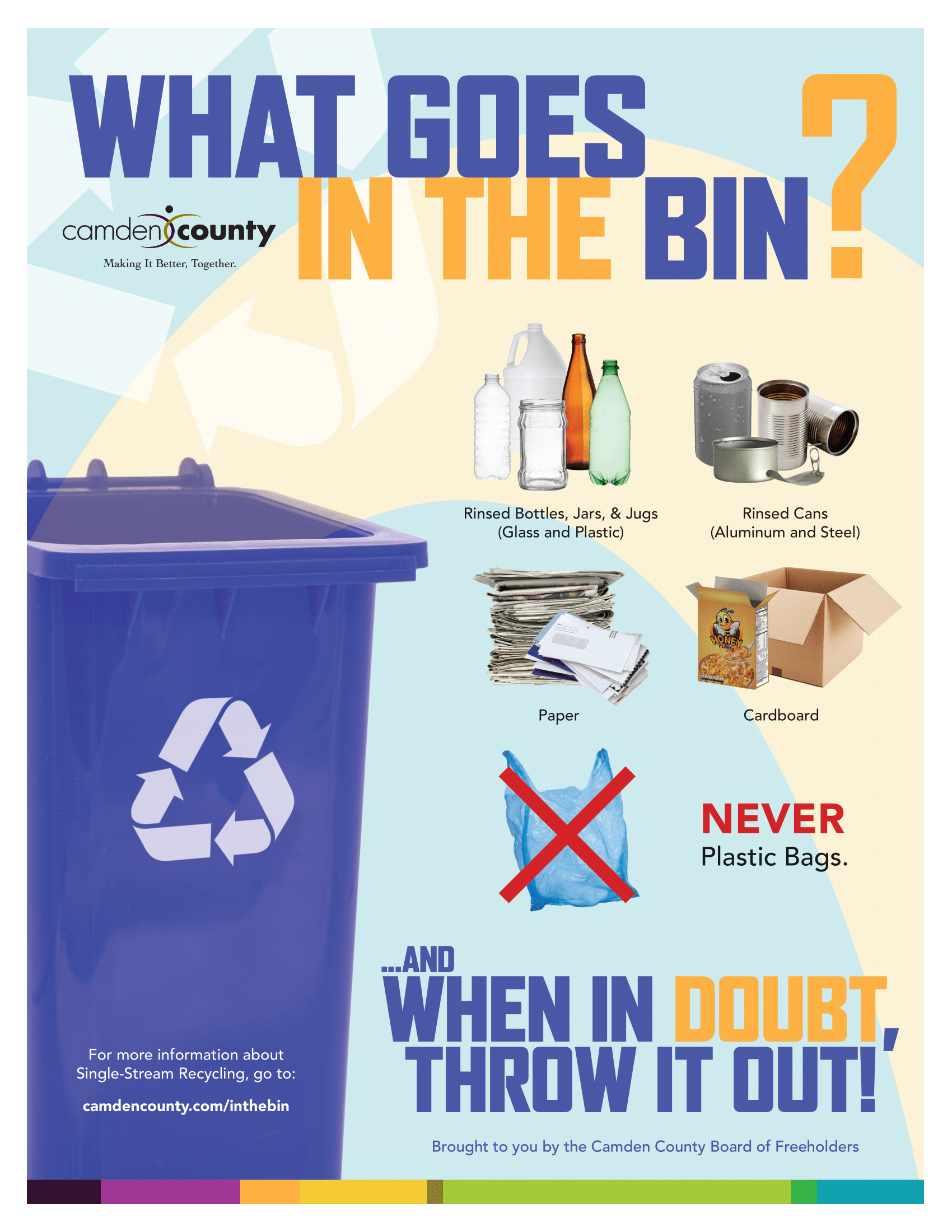
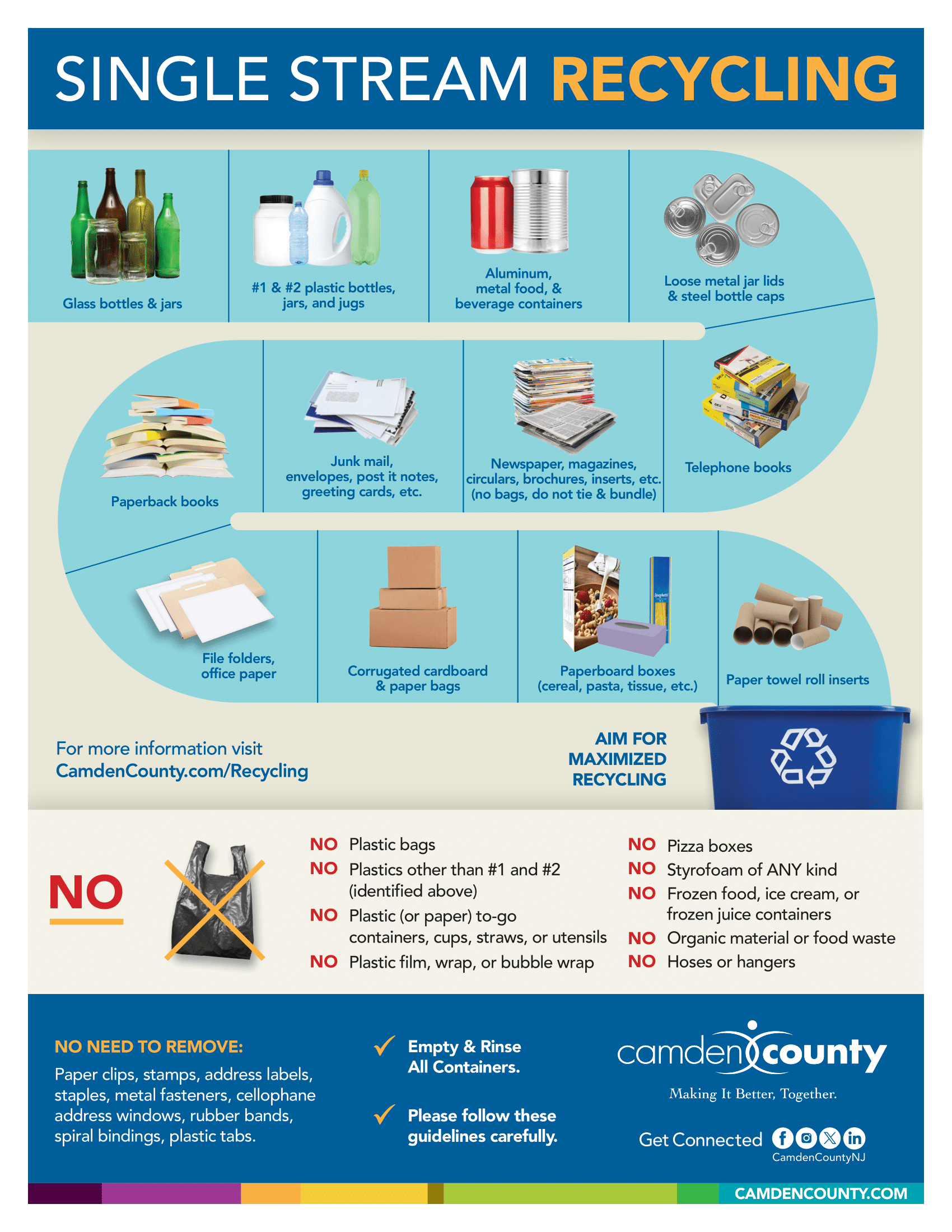
Camden County Recycling Guidelines
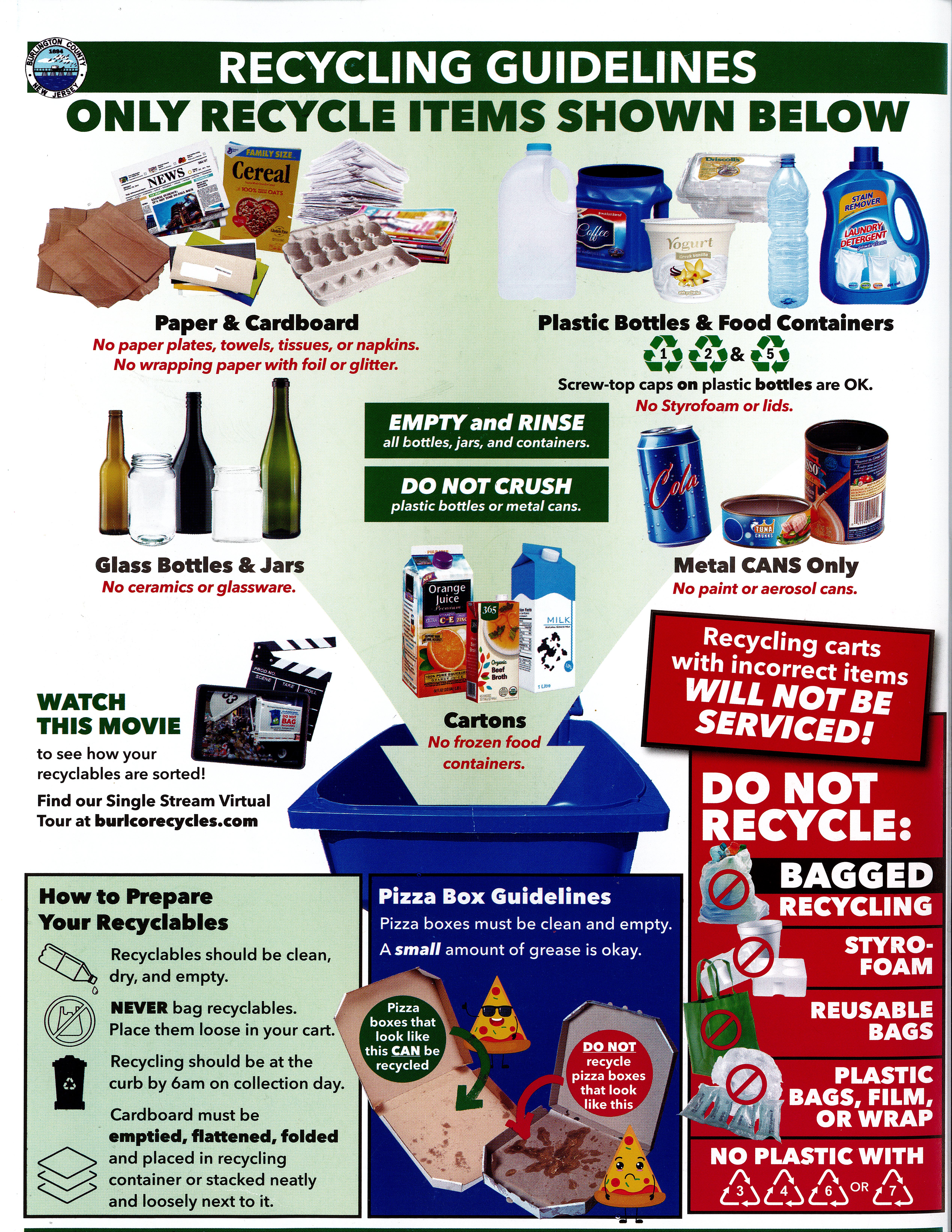
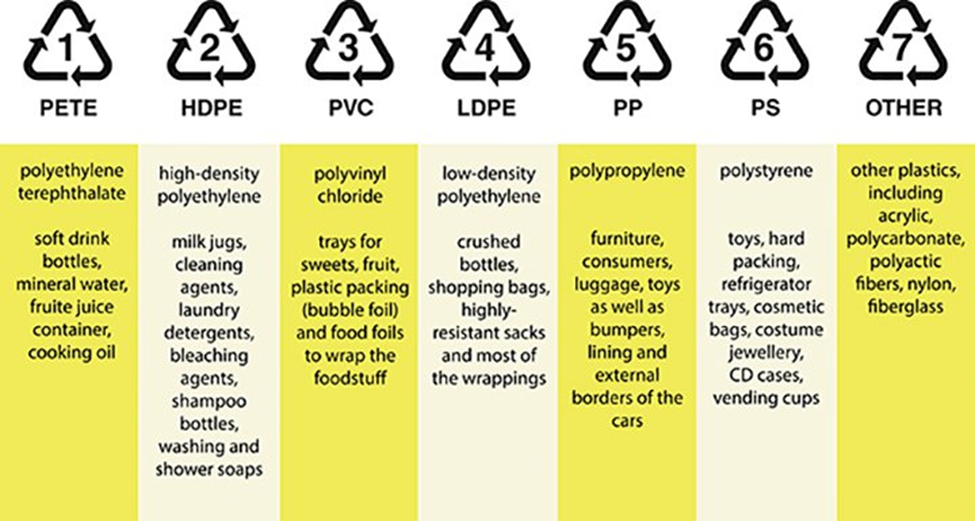
Burlington County:
Recycle plastic bottles, jars, & containers for #1, #2 and #5 plastic
Camden County:
Recycle plastic bottles and jars for ONLY #1 and #2 plastic
TREX PLASTIC FILM RECYCLING
Christ Our Light began our first TREX Challenge in October 2023. Since then, our parish has been saving plastic on an ongoing basis. On March 1, 2025, we begin our third TREX Challenge working towards our third TREX bench.
ITEMS ACCEPTED BY TREX COMPANY: Bubble wrap (pop bubbles), grocery bags, (all colors), case overwrap, bread bags, dry cleaning bags, newspaper sleeves, produce bags, cereal bags, paper towel /toilet paper overwrap, Ziploc or food storage bags, ice bags (DRY – without metal clips), wood pellet bags, stretch film and pallet wrap, furniture foam wrap.
DO NOT INCLUDE THESE ITEMS: frozen food bags, candy bar wrappers, chip and snack bags, net or mesh product bags, pet food bags, pre-washed salad mix bags, degradable/compostable bags or film packaging, six-pack rings, PPE – gloves, masks, or protective wear, bedding or linen packaging, shiny, crinkly films like floral wrap, vinyl shower curtains or tablecloths.
DON’T SEE YOUR ITEM ON THE LIST? See if the package will stretch when you pull it. If yes, it can be included. If it tears like paper, then please don’t put it in the bin. Is the package shiny or does it make a crinkly/crunchy sound in your hand? If yes, DO NOT RECYCLE IN THE NexTrex bin.
Reminder: All plastic must be CLEAN, DRY, AND FREE OF FOOD OR CRUMBS. Remember that NO HARD PLASTIC (water bottles, pill containers, plastic food containers) can be placed in the bins.
Rain Barrels : Use of a rain barrel system is most beneficial during spring and summer. A standard 55 gallon barrel collects an estimated 1300 gallons of rain water during peak season. The EPA estimates a homeowner will save approximately $35 per month during the summer. This water is NOT potable because as it is collected it gathers bacteria and other harmful substances. It is primarily useful for irrigation and to wash gardening tools, other outdoor equipment, bikes, or cars. Barrels range in price from $50-$150; they are sometimes offered at a reduced cost or no cost from local agencies and conservation groups.
Rain Gardens: What is the purpose?
For more information: Rain Garden Network
Pollinator Gardens: What is the purpose?
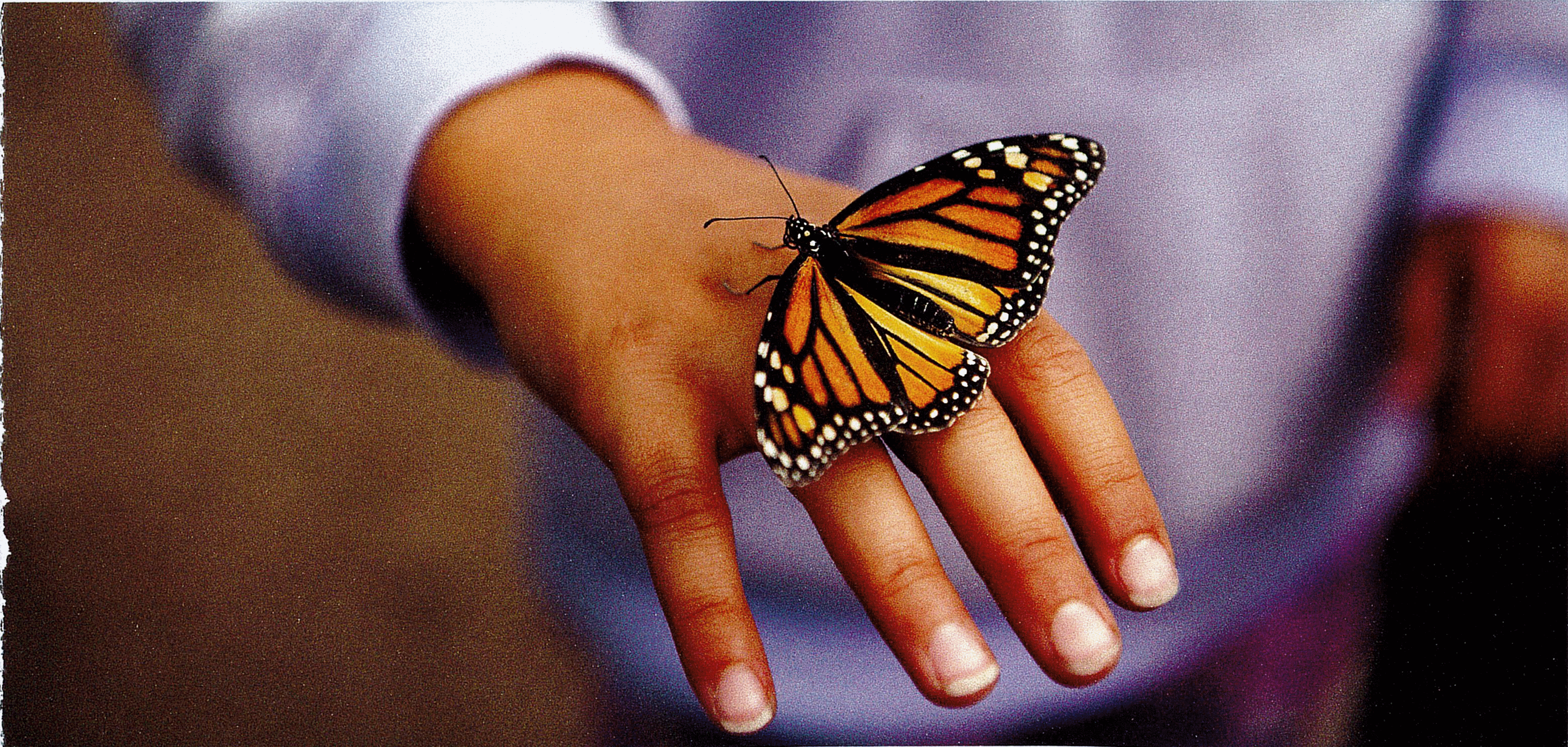 You have probably heard about the plight of bees and butterflies. Hundreds of millions of native pollinators are dying each year because their habitat is being developed and food sources are becoming more challenging to find. You can take action to save bees by growing a pollinator garden in your yard.
Generally speaking, pollinator gardens are planted with native plants and wildflowers. Its goal is to attract native pollinators such as solitary bees and migratory butterflies to a safe space where they can find both food and habitat.
Pollinator gardens:
Additional Articles
17 Sustainable Ways to Make Your Garden More Eco-Friendly
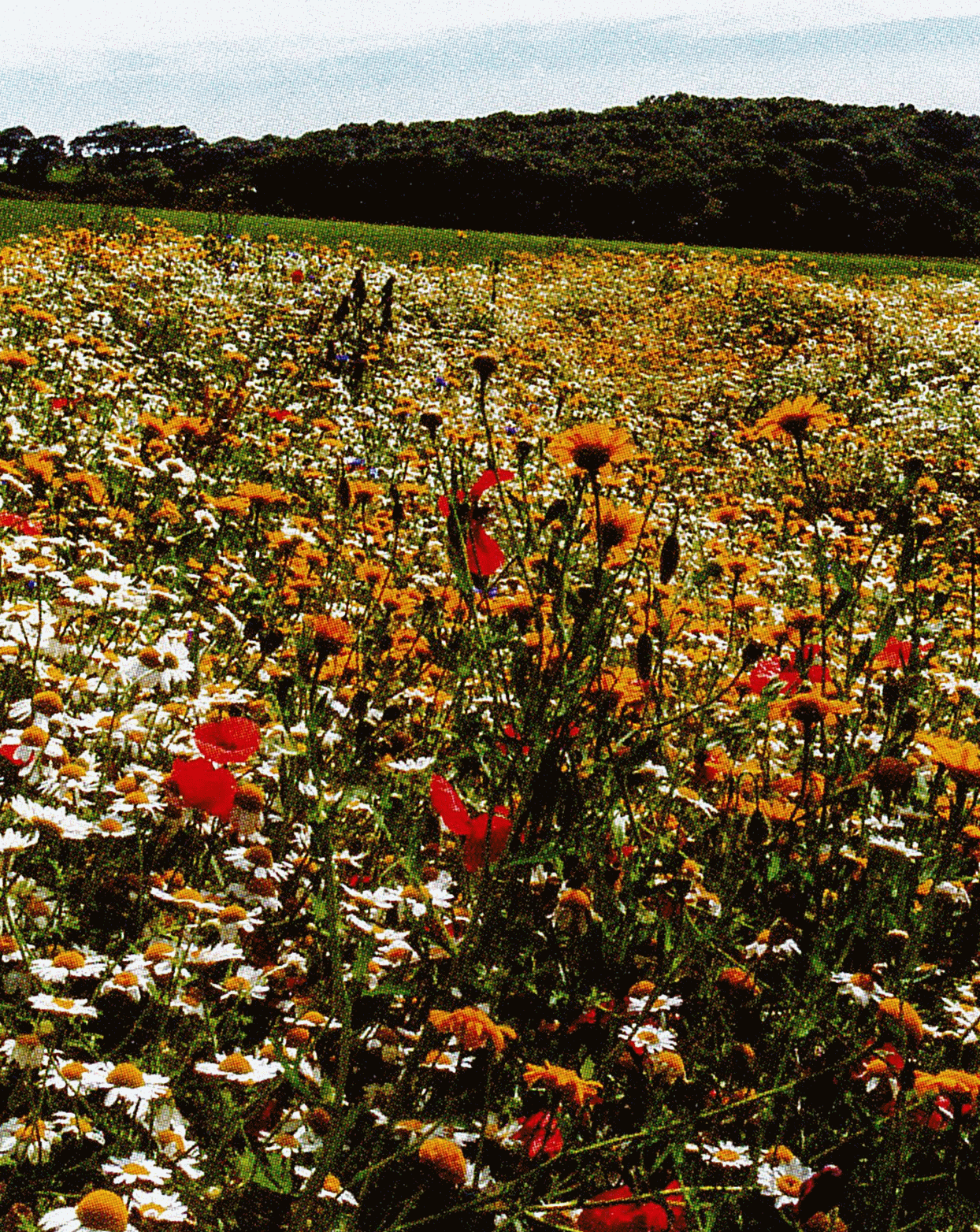
All organic matter breaks up over time, however; steps can be taken to speed up the process. Homemade compost may be used to nurture plants, a garden, other areas on a homeowner’s property.
How to Make Compost
Items that MAY be Composted Nitrogen (green, wet)
Grass clippings, weeds, vegetables, fruit scraps, coffee grounds & filters, tea bags, egg shells
Carbon (dry, brown)
Dead leaves, hay, straw, cornstalks, sawdust, dry/brown grass clipping, newspaper, food-soiled cardboard (add in small quantities)
Items NOT to be composted
Grease or oil, dead animals, diseased plants, fatty foods, meat or bones, human or pet waster, treated wood, coal, pesticide-treated plants, weeds with seeds
Additional Articles
Surprising Things You Can and Can't Compost, According to Experts
Christ Our Light: A Catholic Community
402 N Kings Hwy Cherry Hill, NJ 08034 - 856.667.2440 - parishoffice@christourlight.net
|

Site by Solutio