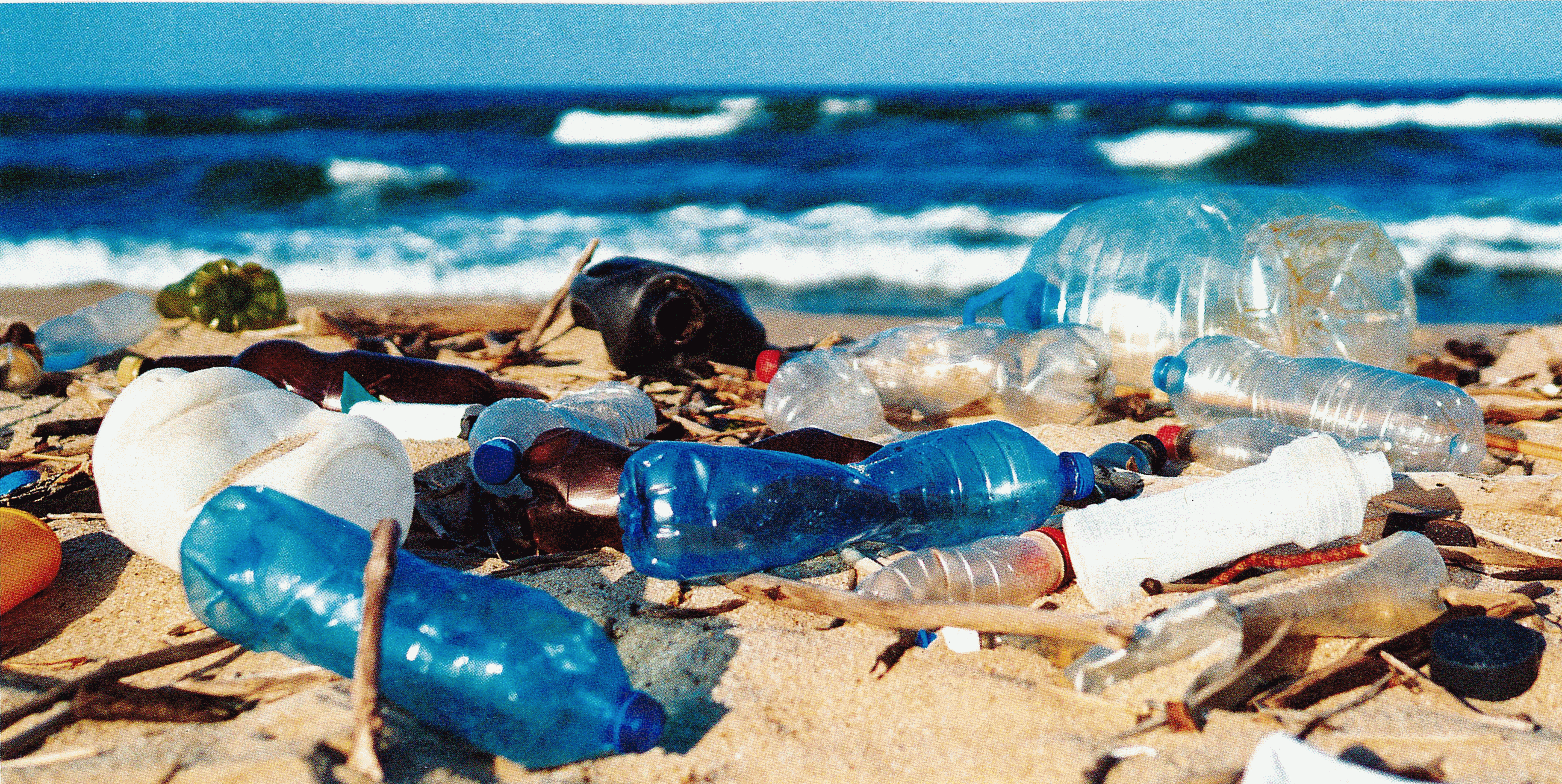
Over the past 50 years, world plastic production has doubled. The U.S. Environmental Protection Agency (EPA) estimates that the production of plastic products accounts for a 4-8 percent of global oil production. A 2023 report from Pacific Environment called for a 75 percent reduction in plastic production by 2050 to avoid a disastrous increase in global temperatures. We must deal with the plastic crisis if we are to control the climate crisis, to improve the health of our air and oceans, and to protect the earth’s biodiversity and human health. (Catholic Climate Covenant 2024 Earth Day Program Guide)
-
Do I really need this product? Be aware of personal WANTS versus NEEDS. Stop buying things you don’t really need.
-
Buy fruit and vegetables not packaged in plastic. Consider buying from farmer’s markets and local greengrocers instead of supermarkets, and take your own fabric shopping bag and reusable produce bags.
-
Aim to purchase thing in glass jars and bottles instead of plastic containers – drinks, jams, spreads etc.
-
Think about buying bars of soap/shampoo – instead of plastic pump bottles. Purchase detergents in cardboard boxes.
-
Don’t buy bottled water. Get a reusable steel water bottle and fill it from the tap.
-
Say no to single-use plastic, such as drinking straws, knives and forks, and plastic-lined drink cups.
-
Use loose tea leaves – most tea bags are sealed with plastic.
-
Refuse Styrofoam food and drink containers. Urge your local municipality to ban them.
-
Replace plastic Tupperware with glass or steel containers and replace cling-film with Beeswax Wrap.
Reuse and give plastic packaging a new purpose. If you must buy a plastic bottle or container, reuse it instead of throwing it away.
-
Review Care for Creation website page: Recycling: Understanding Plastic Identification (1A) which describes the plastic number system and reviews what Burlington and Camden County will recycle.